
Lift Stations
Lift station service focused on the whole station.
RMS evaluates pumps, valves, controls, alarms, drawdown, and lead-lag behavior before narrowing a lift station repair path.
Scope
Field service, repair, maintenance, controls checks, and documented return-to-service support.
- Wet-well drawdown and lead-lag sequencing observations
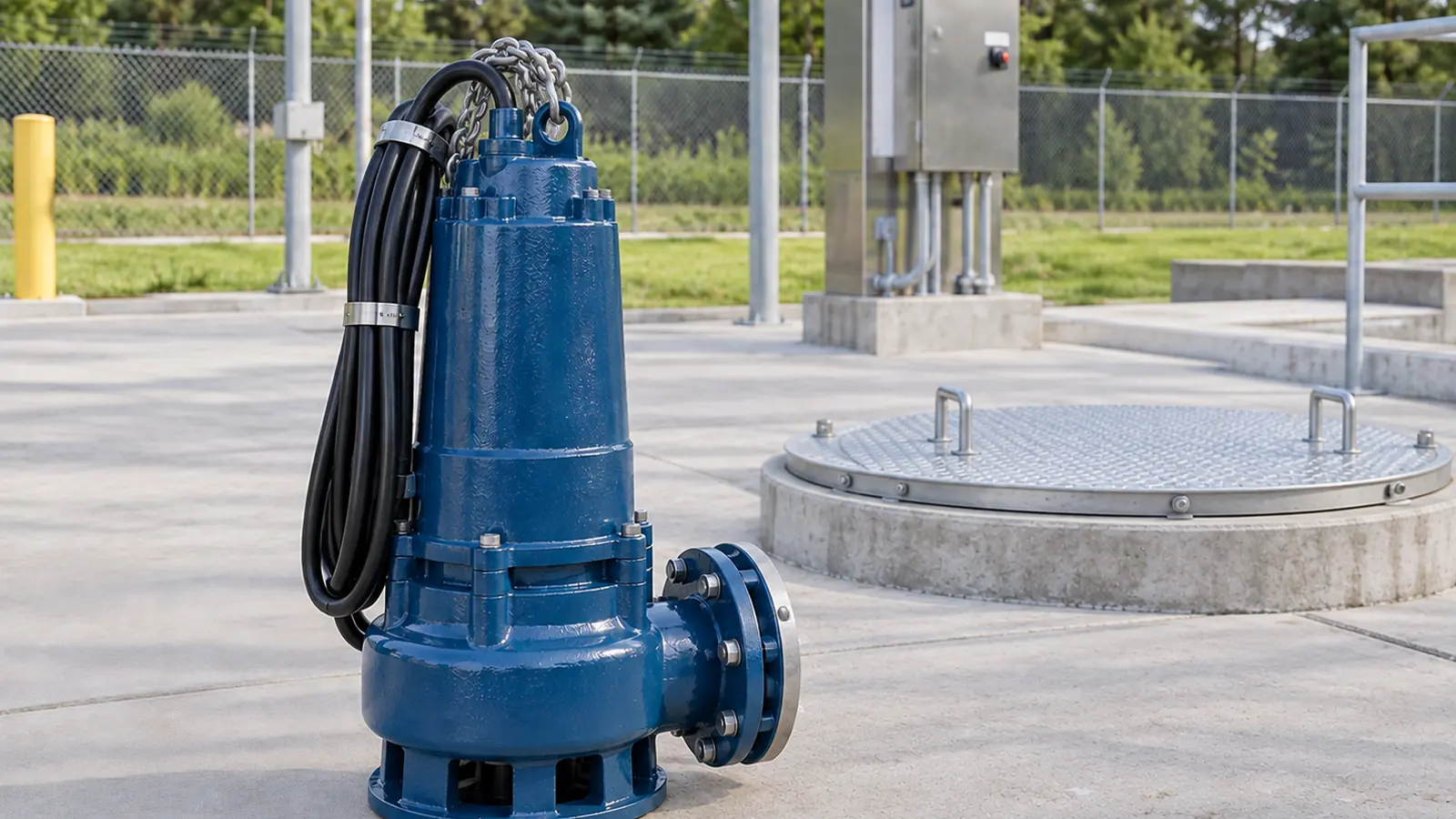
- Pump removal, cleaning, inspection, repair, and reinstallation support
- Check-valve and accessible discharge component review
- Operating-current, rotation, alarm, and controls behavior checks
- Post-service testing to confirm predictable operation
Related Resources
Related support for municipal pump assets.
RMS Process
From first symptom to documented return-to-service.
RMS follows a practical workflow: understand the operating problem, verify the cause, perform the right work, test the result, and leave a usable service record.
Assessment
Collect symptoms, site context, equipment details, and urgency before assuming the pump is the only fault.
Diagnosis
Compare operating observations, current, pressure, flow, controls behavior, valves, and mechanical condition.
Recommendation
Separate confirmed repair needs from system-side issues and identify the practical return-to-service path.
Repair
Complete field service, shop repair, rebuild coordination, controls adjustments, or retrofit work within RMS's scope.
Testing
Verify rotation, pressure, drawdown, sequencing, leakage, vibration, current draw, and system behavior where applicable.
Documentation
Record post-service observations so future maintenance and troubleshooting have a usable baseline.
Technical Resources