
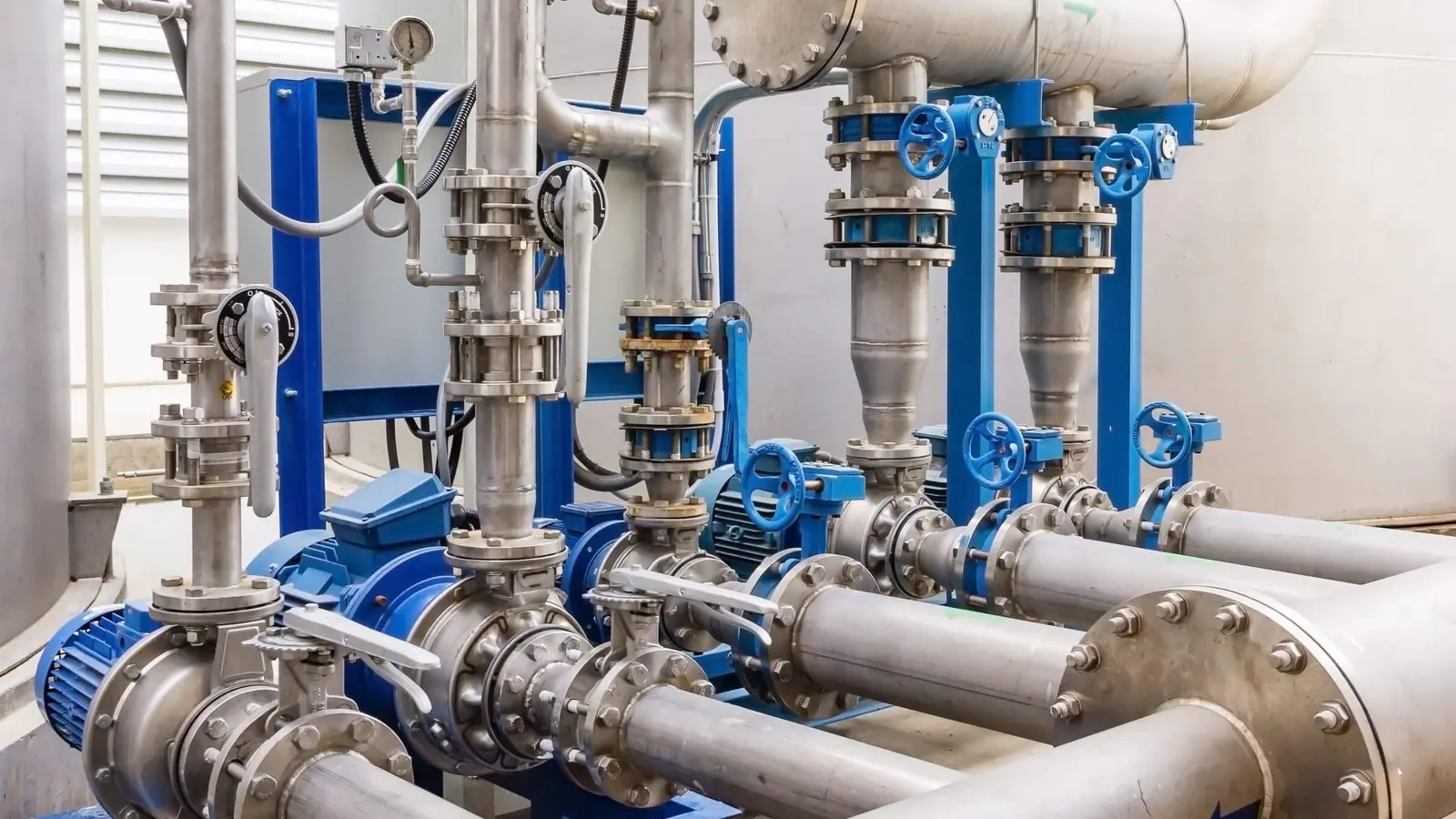
Municipal Wastewater Lift Station
Recurring high-level alarms and inconsistent drawdown
RMS evaluates the station as a complete system: wet-well behavior, lead-lag sequencing, motor current, discharge condition, check-valve operation, pump inspection, and post-service drawdown verification.
System Context
A duplex wastewater lift station begins experiencing intermittent high-level alarms and longer-than-normal pump run times. Lead-lag alternation is functioning, but wet-well drawdown is inconsistent and one pump appears to be delivering less capacity than expected.
Diagnostic Approach
A field evaluation starts with the station as a complete system rather than assuming the pump is the only problem. Typical checks include wet-well level behavior, lead-lag sequencing, motor current, discharge pressure, check-valve operation, accessible piping condition, and pump response during drawdown. Comparing the two pumps under similar conditions can quickly show whether the issue is hydraulic, mechanical, electrical, controls-related, or a combination of factors.
What to Check
A common combination is partial hydraulic restriction from accumulated debris together with wear at the impeller or other hydraulic clearances. The pump may continue to run without an obvious hard failure, but reduced hydraulic performance increases run time and leaves less reserve capacity during peak inflow.
Typical RMS Service Scope
- Confirm controls and lead-lag behavior before pump removal
- Record operating current and available discharge-pressure observations
- Remove and inspect the affected pump
- Clear debris and inspect the impeller, volute, wear surfaces, and accessible seals or bearings
- Inspect the discharge check valve and accessible piping components for restriction or backflow
- Repair or replace verified worn service components as required
- Reinstall the pump and verify rotation, current draw, sequencing, and wet-well drawdown
- Document post-service observations to establish a maintenance baseline
Return-to-Service Standard
The goal is not simply to get the motor running again. The station should return to predictable drawdown and sequencing behavior, with operating observations documented so future changes can be recognized before they become an emergency callout.