
Sewage & Submersible Pumps
Troubleshooting, removal, inspection, and repair support for wastewater, sewage, and submersible pump equipment.
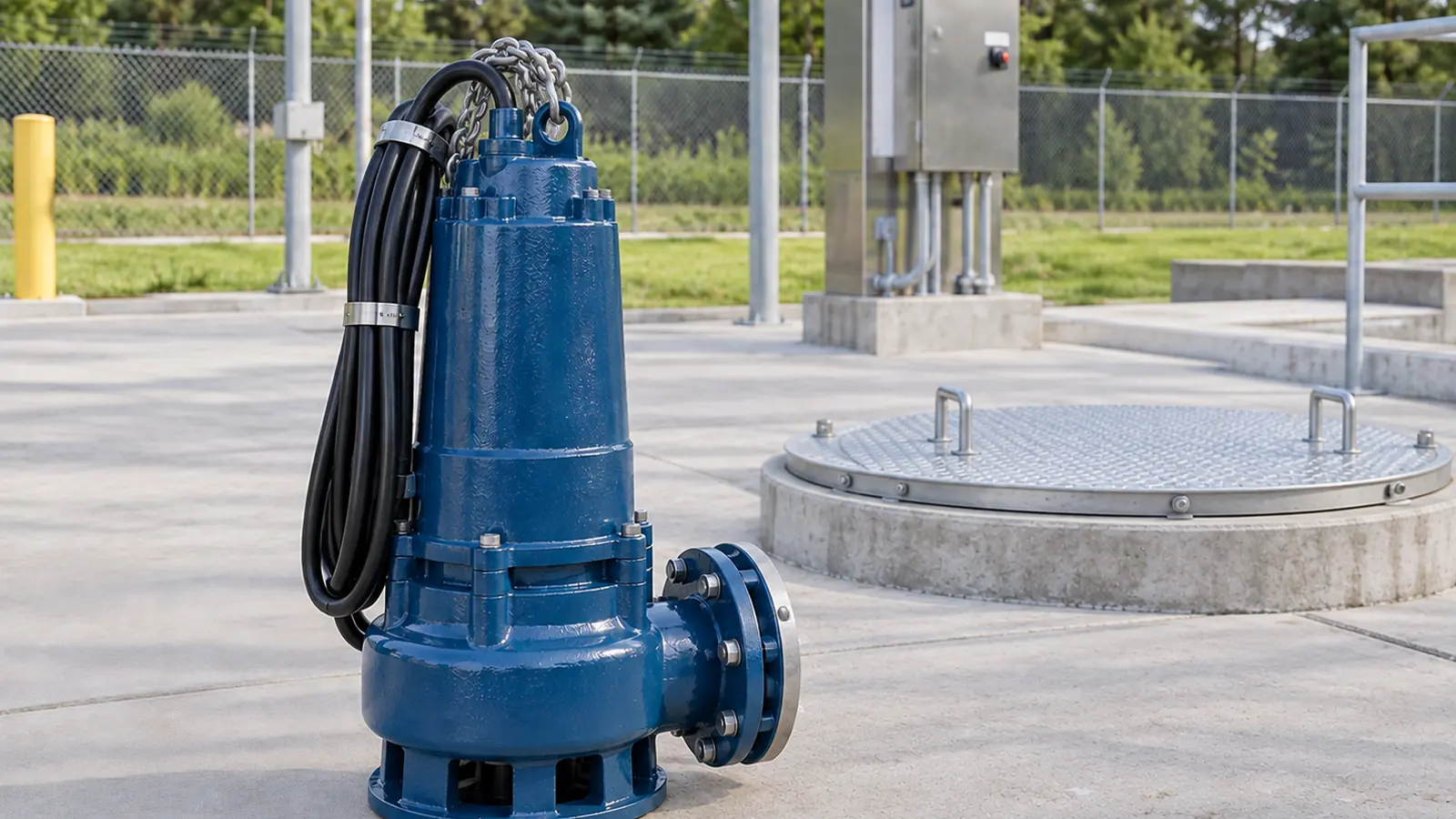
Common Failure Conditions
RMS looks at the system around the pump.
Pump equipment is affected by hydraulics, controls, valves, piping, demand, alignment, operating history, and service condition. RMS uses field observations and repair experience to identify the likely cause before recommending the next step.
Typical symptoms
- Overload trips
- Debris restriction
- Poor drawdown
- Seal leakage
- Check-valve problems
Service Fit
Related capabilities
On-site diagnosis for pump systems that are underperforming, offline, cycling, vibrating, leaking, or not maintaining pressure.
Pump Repair & RebuildsShop and field repair support for worn, damaged, leaking, or inefficient pump equipment.
Preventative Maintenance ProgramsRepeatable maintenance observations that help agencies and facilities identify change before it becomes an emergency.
RMS Process
From first symptom to documented return-to-service.
RMS follows a practical workflow: understand the operating problem, verify the cause, perform the right work, test the result, and leave a usable service record.
Assessment
Collect symptoms, site context, equipment details, and urgency before assuming the pump is the only fault.
Diagnosis
Compare operating observations, current, pressure, flow, controls behavior, valves, and mechanical condition.
Recommendation
Separate confirmed repair needs from system-side issues and identify the practical return-to-service path.
Repair
Complete field service, shop repair, rebuild coordination, controls adjustments, or retrofit work within RMS's scope.
Testing
Verify rotation, pressure, drawdown, sequencing, leakage, vibration, current draw, and system behavior where applicable.
Documentation
Record post-service observations so future maintenance and troubleshooting have a usable baseline.
Service Territory & Qualifications
Established Oregon and Washington pump support.
RMS Pump has supported municipal, commercial, wastewater, domestic-water, fire-protection, and specialty pump applications since 2002.
Procurement-ready details
- Licensed, bonded, and insured in Oregon
- UBI: 602 651 292 | CCB#: 173135 | L.P.I Electrical: #153CPI
- Service territory: Oregon and Washington
- Public contact: info@rmspump.com
- Municipal capabilities statement
Technical Resources
Related service approaches and technical articles.
Wastewater lift station response
Wastewater station troubleshooting and drawdown verification.
ArticleLift station high water alarm response
Operational context for recurring high-level alarms.
ArticleSubmersible pump service warning signs
Warning signs tied to overload trips, debris, and reduced capacity.
Have a system problem that needs diagnosis?
Describe the pump type, symptoms, location, and urgency so RMS can route the right technical response.