
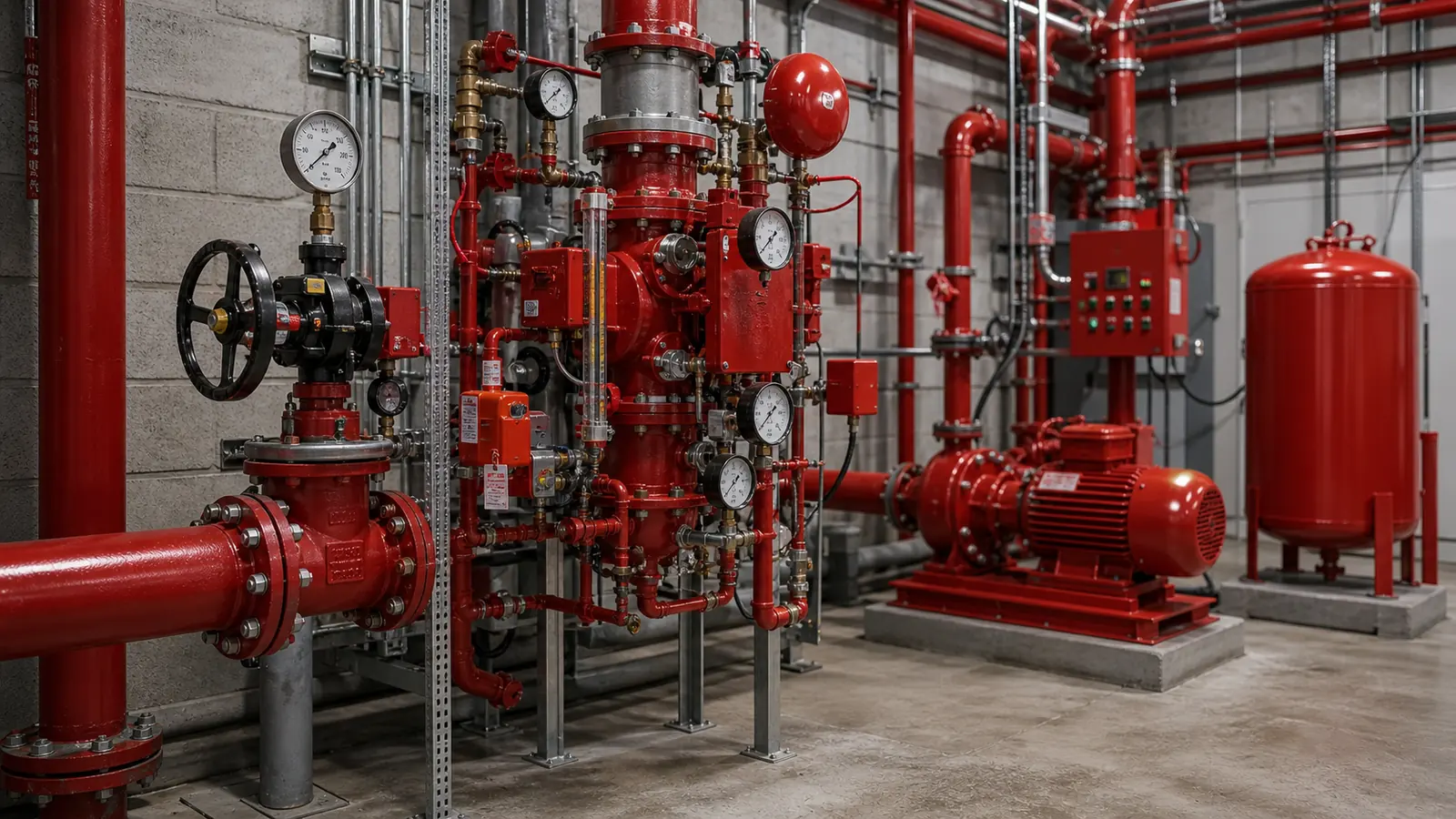
Fire-protection pumps support the water supply required by a building's fire-protection system. Their condition, controls, water supply, and service history need to be considered together when planning inspection, maintenance, or replacement work.
Regular maintenance, condition checks, and appropriately scoped repairs help identify problems that could affect pump operation.
Planning Pump Service
Fire-protection pump work requires coordination with the property’s qualified fire-protection team. Confirm the applicable requirements, equipment instructions, testing scope, and documentation before work begins.
The scope should identify the equipment involved, access requirements, service responsibilities, and any arrangements needed while equipment is unavailable. Follow the site's approved procedures for impairment, isolation, and return to service. A general pump-service article cannot establish that a particular fire-protection system meets its design or acceptance requirements.
Information That Helps Define the Work
- Pump, driver, and controller make, model, and nameplate information
- Recent inspection and test records, including recorded pressures and operating observations
- Reported leakage, unusual noise, vibration, alarms, or starting problems
- Water-supply or building changes that may affect the system
- Known equipment defects, previous repairs, and access constraints
- The property's testing, documentation, and return-to-service requirements
Maintenance, Repair, and Replacement
Inspection findings help determine whether the next step is a targeted repair, further testing, or replacement planning. A replacement should be reviewed against the system's requirements rather than selected solely by matching the existing pump's size. Controller or operating-setting changes also need equipment-specific review by the responsible qualified personnel.
Record the work performed, unresolved findings, and required follow-up so the property's fire-protection team can make informed decisions about the system.
Contact RMS to discuss the pump equipment, observed symptoms, available test records, and service scope for your site.